
Loading Environment...

Explore the Elements. Travel with Confidence.

Expert insights into global weather patterns, extreme climate prep, and perfect travel destinations—translated for you.

Our Mission Statement

Weather Translate serves as a critical bridge between raw National Weather Service (NWS) telemetry and communities. By parsing dense meteorological hazard data and severe storm warnings into universally accessible formats, our objective is to eliminate information lag at the exact point of impact—helping communities prepare for, and survive, extreme weather events.

How to Prepare for a Flash Flood
Severe Weather

How to Prepare for a Flash Flood

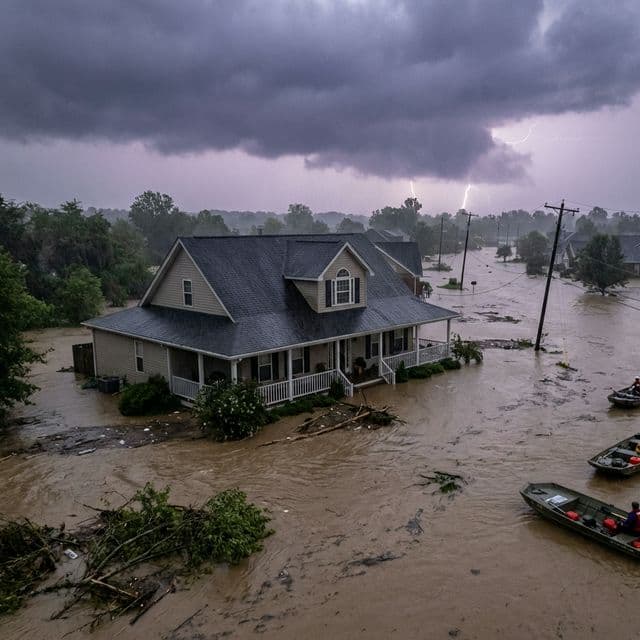
Flash floods are terrifyingly fast and destructive, turning tranquil streets into raging rivers in mere minutes. Unlike regular floods that rise slowly, flash floods strike with little to no warning, making preparation not just smart, but absolutely critical for your safety and the protection of your property. Understanding how to prepare can be the difference between a close call and a catastrophic event.

This guide will equip you with the knowledge and tools you need to face a flash flood head-on, from understanding the risks to securing your home and building a life-saving emergency kit.


Understanding the Speed and Fury of Flash Floods

A flash flood is a rapid flooding of low-lying areas, washes, rivers, usually caused by intense rainfall. They can also occur due to dam or levee breaks, or sudden releases of water from ice jams. What makes them so dangerous is their speed, unpredictability, and immense power.

Even just six inches of moving water can knock an adult off their feet, and two feet can sweep away most vehicles, including SUVs and pickup trucks. The water often carries debris, making it even more hazardous.


Before the Storm: Proactive Steps for Safety

Preparation is your best defense against the sudden onslaught of a flash flood. Taking these steps before a warning is issued can save lives and minimize damage.

Stay Informed and Alert

  • Monitor Weather Forecasts: Regularly check your local weather updates, especially during periods of heavy rain. Pay close attention to flood watches and warnings. For reliable and localized forecasts, it's always good to check the localized forecast through services like weathertranslate.com.
  • Sign Up for Alerts: Enroll in your community's emergency alert system. Many cities and counties offer text or email notifications for severe weather.
  • Know Your Zone: Understand if your home or work is in a flood-prone area. If you live in an area near rivers, streams, or low-lying zones, your risk is higher.

Home Fortification and Preparedness

Protecting your property from water intrusion is paramount. Small actions can make a big difference in preventing extensive damage.

  • Clear Drains and Gutters: Ensure your gutters, downspouts, and storm drains are free of leaves and debris. This allows water to flow away from your home efficiently.
  • Elevate Valuables: If you live in a flood-prone area, store important documents, valuable possessions, and electronics on higher floors or elevated shelves.
  • Secure Outdoor Items: Bring in or tie down outdoor furniture, trash cans, and anything else that could be swept away and become a projectile.
  • Develop an Evacuation Plan: Know your fastest and safest routes to higher ground. Practice these routes with your family and identify meeting points.
  • Protect Entry Points: For immediate defense against encroaching water, especially around doors and garage entries, consider quick-deployment solutions.
Quick Dam Grab and Go Indoor Flood Kit
Severe Weather

Quick Dam Grab and Go Indoor Flood Kit

Essential water diversion for flash floods. Absorbs instantly and blocks water from ruining drywall and hardwood floors.

*As an affiliate, we earn off qualifying purchases.

The Quick Dam Grab and Go Indoor Flood Kit is an excellent choice for rapid deployment. It absorbs water instantly and can create a barrier to protect crucial areas like doorways and garage openings from incoming floodwaters, saving your drywall and hardwood floors.


Building Your Flash Flood Survival Kit

Every home should have an emergency kit ready to go at a moment's notice. This kit should contain essentials to sustain your family for at least 72 hours.

Here's what to include:

  • Water: One gallon per person per day for drinking and sanitation.
  • Non-Perishable Food: Canned goods, energy bars, dried fruit, and a can opener.
  • First-Aid Kit: Bandages, antiseptic wipes, pain relievers, and any prescription medications.
  • Flashlight and Extra Batteries: Essential for power outages.
  • Whistle: To signal for help if trapped.
  • NOAA Weather Radio with S.A.M.E. Technology: This is a vital tool. A battery-powered or hand-crank weather radio will provide critical weather alerts directly from the National Weather Service, even if power, internet, and cell service are out.
  • Portable Power Bank: Keep your cell phone and other essential devices charged. In an emergency, communication is key, and a reliable power source for your phone ensures you can call for help or stay updated.
  • Copies of Important Documents: Keep identification, insurance policies, and other vital records in a waterproof, portable container.
  • Cash: ATMs may not work during power outages.
  • Sanitation and Hygiene Items: Wet wipes, hand sanitizer, garbage bags.
  • Warmth: Blankets or sleeping bags, especially if you may be evacuated.

Safety First: Navigating a Flash Flood Event

If a flash flood warning is issued or you see rising waters, act quickly. Your immediate actions can be life-saving.

  • "Turn Around, Don't Drown": This cannot be stressed enough. Never walk, swim, or drive through floodwaters. Just six inches of moving water can knock you off your feet, and rapidly moving water can hide dangers like downed power lines or washed-out roads.
  • Seek Higher Ground: If you are outdoors, move immediately to the highest ground possible.
  • If Indoors: If your home is in a flood-prone area and you're advised to evacuate, do so immediately. If not, move to the highest level of your home. Do not go into attics where you could become trapped.
  • Stay Connected (Safely): Follow emergency instructions from authorities. Understanding complex weather advisories and emergency directives can be critical during a crisis, so tools like climatranslate.com can be helpful if you need to interpret information quickly.
  • Avoid Downed Power Lines: Treat all downed power lines as live and extremely dangerous.

After the Waters Recede: The Recovery Phase

The danger doesn't end when the water pulls back. The aftermath of a flash flood presents new hazards and challenges.

  • Don't Return Until It's Safe: Only re-enter your home or area once authorities declare it safe.
  • Beware of Structural Damage: Flooding can compromise the structural integrity of buildings. Look for cracks in foundations, damaged walls, or shifting structures before entering.
  • Check for Utilities: Be aware of potential gas leaks, damaged electrical systems, or contaminated water supplies. Do not turn on electricity until an electrician has inspected your system.
  • Clean-Up Safely: When beginning clean-up, protect yourself. Heavy-duty work gloves and goggles are essential to prevent injuries from sharp debris, chemicals, or contaminated water. They also provide protection against mold and bacteria exposure.
  • Document Damage: Take extensive photos and videos of all damage for insurance claims.
  • Contaminated Water: Assume floodwater is contaminated. Avoid contact if possible, and thoroughly clean anything that came into contact with it. Be wary of hidden hazards like sharp objects or displaced wildlife.

Preparing for a flash flood is a crucial step towards safeguarding your family and home. By understanding the risks, taking proactive measures, and assembling an emergency kit, you empower yourself to respond effectively when every second counts. Stay vigilant, stay prepared, and stay safe.
Weather Translate © 2026Permalink →
Top 5 Flood Preparations for Homeowners
Severe Weather

Top 5 Flood Preparations for Homeowners

Flooding is the most common and costly natural disaster worldwide. For homeowners, a proactive approach to flood mitigation is the difference between a minor inconvenience and total financial ruination.

To help you protect your most valuable asset, we've compiled the five most critical, actionable steps every homeowner in flood-prone zones must take before the storm clouds gather.


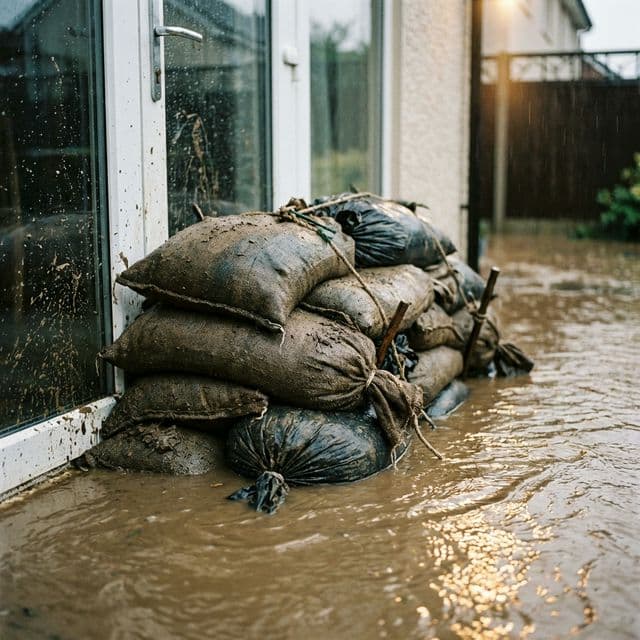
1. Build a Reinforced Sandbag Barrier

Sandbag Barrier

Sandbags are the traditional, proven first line of defense against rising waters, but only if they are stacked correctly.

  • The Action: Create a staggered pyramid shape against all ground-level entrances, packing the bags tightly to eliminate gaps.
  • Pro-Tip: Wrap the outside of the sandbag wall with heavy-duty plastic sheeting or tarps to create a truly waterproof seal against the home's foundation.

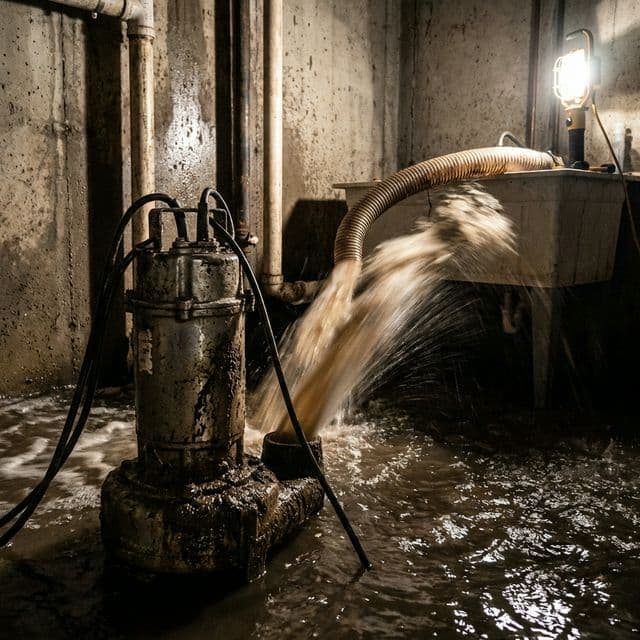
2. Install a Primary and Backup Sump Pump

Electric Sump Pump

If water breaches your basement walls, an industrial-grade sump pump is your only hope of preventing catastrophic structural damage.

  • The Action: Install a heavy-duty electric sump pump in the lowest point of your basement or crawlspace.
  • Critical Fallback: Severe storms often knock out the power grid. You must have a battery-powered or water-powered backup pump installed alongside the primary unit to ensure continuous displacement.
Superior Pump 91250 1/4 HP Submersible Utility Pump
Top Gear Pick

Superior Pump 91250 1/4 HP Submersible Utility Pump

The highest-rated emergency submersible pump on the market. Capable of moving an incredible 1,800 gallons of floodwater per hour.

*As an affiliate, we earn off qualifying purchases.

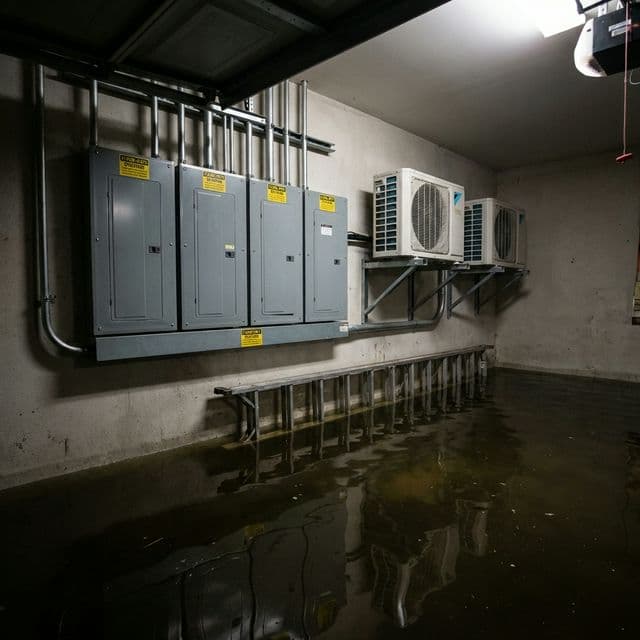
3. Elevate Critical Utilities

Elevated Utilities

Floodwaters carry mud, debris, and raw sewage that will instantly destroy delicate electrical components.

  • The Action: Hire a licensed contractor to permanently raise your main electrical breaker panel, HVAC units, water heaters, and generators at least 12 inches above the projected 100-year flood line for your specific elevation.
  • Safety First: If floodwaters threaten to reach your utility room, shut off the main power breaker immediately to prevent electrocution fires.

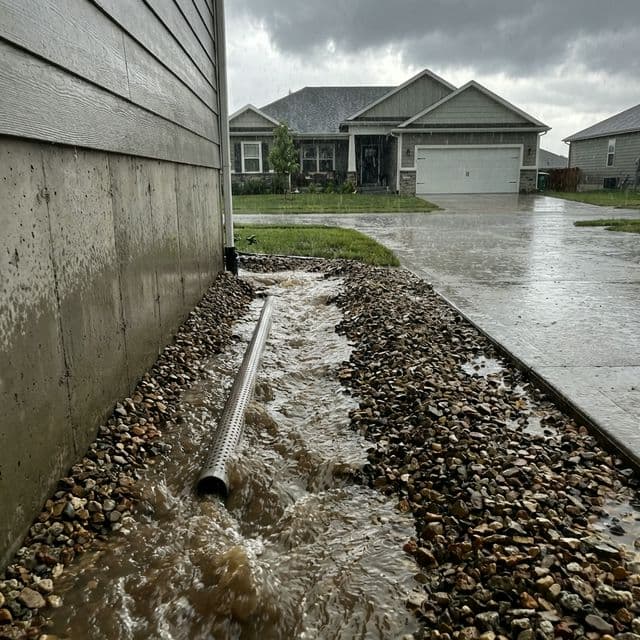
4. Optimize Exterior Drainage Systems

French Drain System

The best way to survive a flood is to ensure the water never touches your home in the first place.

  • The Action: Grade your landscaping so that the ground slopes firmly away from your foundation. Install exterior French drains and ensure your gutter downspouts discharge runoff at least six feet away from your exterior walls.
  • Maintenance: Routinely clear all gutters and street-level storm drains of leaf litter before the stormy season begins.

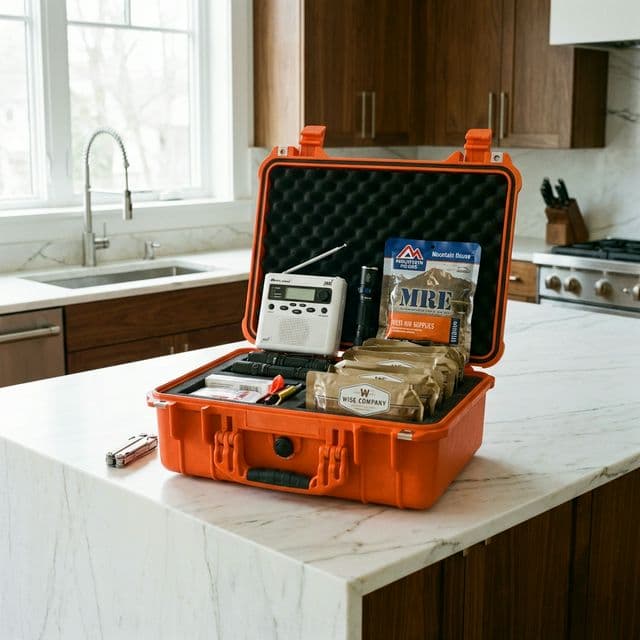
5. Assembly a Waterproof Emergency Survival Kit

Emergency Survival Kit

If the floodwaters trap you inside your home or force you onto the roof, you need supplies to survive until rescue teams arrive.

  • The Action: Purchase a buoyant, waterproof hard case and fill it with essentials.
  • The Contents: Include a battery-operated NOAA weather radio, tactical flashlights, a minimum 3-day supply of MREs (Meals Ready-to-Eat), bottled water, and copies of all vital insurance documents sealed in a Ziplock bag.

[!IMPORTANT] Always heed local evacuation orders immediately. No property mitigation strategy is worth risking your life. Ensure your phone has extreme weather alerts enabled and consider utilizing a localized weather translation tool if you reside in a multi-lingual community.

Weather Translate © 2026Permalink →
Top 5 Most Dangerous Cities for Tornadoes in the US

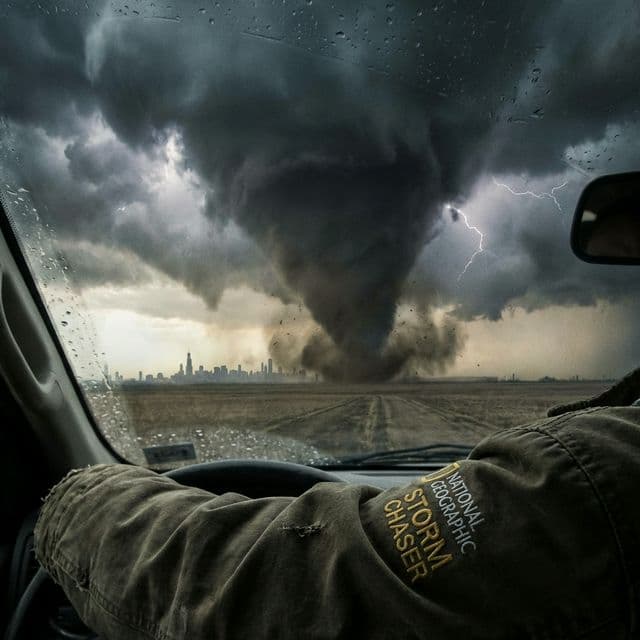
Tornadoes are among the most destructive localized weather events on the planet. For travelers and potential residents, understanding the geographical risks associated with these violent supercell storms is critical. While early warning systems exist, the sheer speed and unpredictability of these funnels require extreme caution.

Here is our rundown of the top five most dangerous cities for tornadic activity and severe weather system interception.


1. Moore, Oklahoma

Moore OK Radar

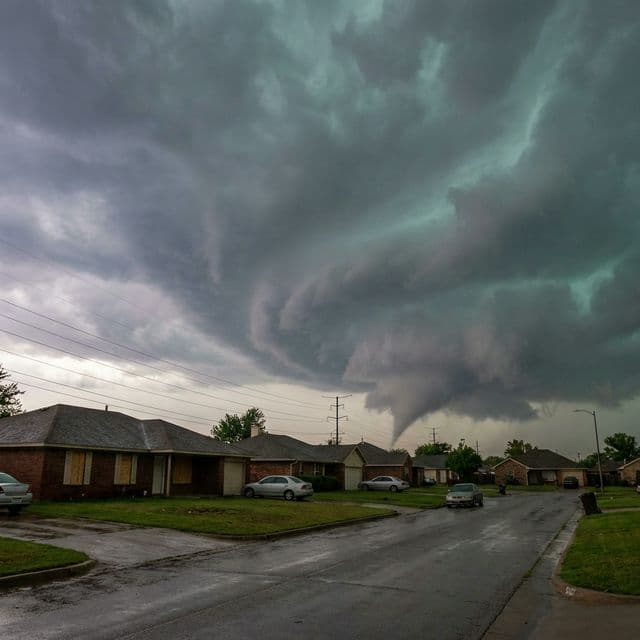
Located in the dead center of the traditional "Tornado Alley," Moore, Oklahoma, holds a tragic historical record for violent EF5 tornadoes. Its geographical positioning south of Oklahoma City makes it a frequent target for massive supercell storms brewing across the open plains where vast temperature differentials collide violently.

  • Risk Factor: Extreme
  • Notable Event: 1999 and 2013 EF5 Tornadoes
  • Key Advice: Ensure immediate access to underground storm cellars or reinforced safe rooms. Always heed NOAA radio warnings without delay.

2. Joplin, Missouri

Joplin Missouri Ruins

The 2011 Joplin tornado was a horrific reminder that devastating storms don't just happen in open fields—they can obliterate densely populated urban centers. A relatively narrow corridor combined with high-density housing makes Joplin statistically dangerous when atmospheric instability peaks during the late spring.

  • Risk Factor: Critical
  • Notable Event: 2011 EF5 Tornado
  • Key Advice: Have a designated emergency meeting point that has reinforced, windowless walls if you do not have a dedicated basement.

3. Tuscaloosa, Alabama

Tuscaloosa Alabama Storm Analytics

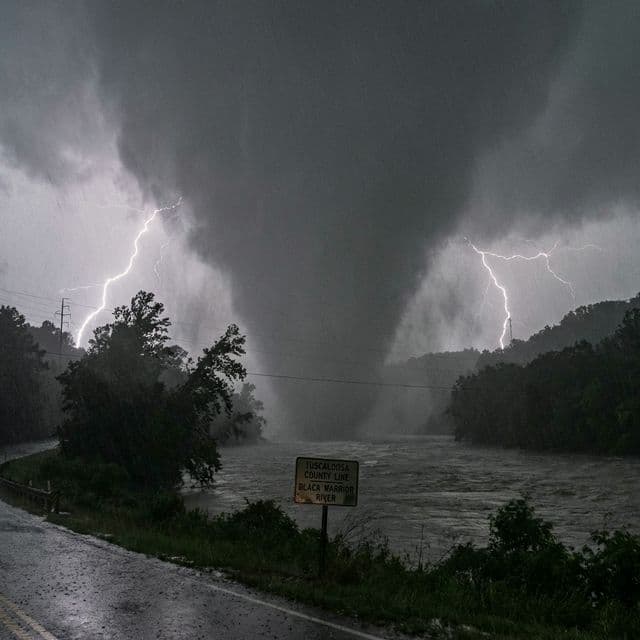
The southeastern United States has seen a sharp increase in violent tornado outbreaks, colloquially known as "Dixie Alley." Tuscaloosa experienced a massive, long-track EF4 tornado during the 2011 Super Outbreak. The danger here is compounded by the fact that many southern tornadoes are obscured by heavy rain wrapping or hilly terrain, making visual identification nearly impossible.

  • Risk Factor: High (Terrain Obscured)
  • Notable Event: 2011 Super Outbreak EF4
  • Key Advice: Rely entirely on radar telemetry and digital alerts (like Weather Translate), rather than trying to visually spot the funnel.

4. Dallas, Texas

Dallas Texas Skyline Storm

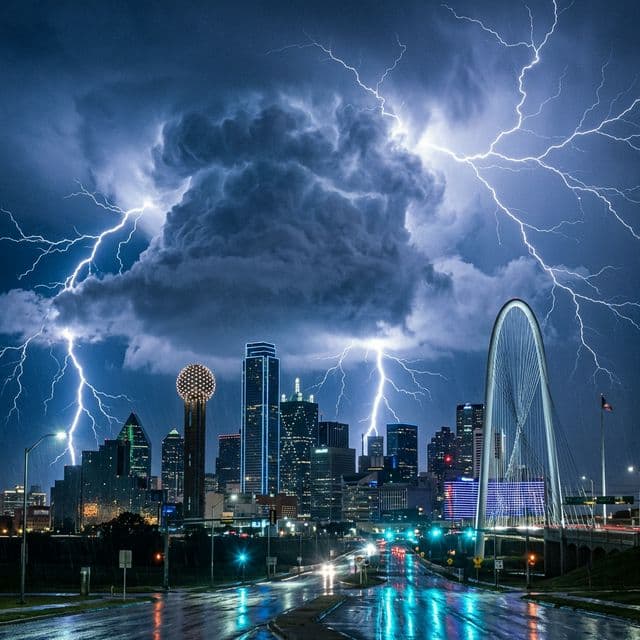
The sheer sprawl of the Dallas-Fort Worth metroplex presents a mathematically massive "target" for supercells rolling through northern Texas. While skyscrapers themselves don't attract tornadoes, the density of the population means any touchdown is likely to cause significant economic and structural damage.

  • Risk Factor: High (Population Density)
  • Notable Event: 2019 Dallas Tornado
  • Key Advice: High-rise occupants should move to interior halls away from exterior glass as wind tunneling can cause severe fragmentation.

5. Wichita, Kansas

Wichita Kansas Plains Storm

Wichita sits squarely in the classic central plains strike zone. The city frequently deals with nighttime tornadoes and severe squall lines. Because the land is exceptionally flat, supercells here can gain incredible momentum and sustain their funnels over massive tracts of land, maintaining deadly speeds without disruption.

  • Risk Factor: High (Sustained Track Potential)
  • Notable Event: Frequent high-intensity cyclic supercells
  • Key Advice: Nighttime tornadoes are incredibly dangerous since people are sleeping. A loud weather radio with battery backup is essential.

[!CAUTION] If you are traveling through these regions during the spring or early summer, download local alert apps and ensure emergency notifications are enabled and capable of translating local advisories into your native language instantly.

Weather Translate © 2026Permalink →
Hurricane Preparedness Guide 2026
Severe Weather

Hurricane Preparedness Guide 2026

When a hurricane is tracking toward your community, every hour counts. Preparation is your best defense against catastrophic wind and water damage.


Securing Your Property

Before the outer bands of the storm arrive, you must physically harden your home's exterior envelope against extreme pressure changes and flying debris.

  • Install Impact Shutters: Plywood is a temporary fix; invest in rated accordion or roll-down impact shutters for all windows and glass doors.
  • Clear the Yard: Ensure all loose outdoor items (patio furniture, grills, potted plants) are secured indoors or anchored tightly to the ground.
  • Brace the Garage: High winds entering through a failed garage door can blow the roof completely off your house. Install a reinforced garage door bracing system.

Emergency Kit Essentials

Power grids and municipal water supplies often fail entirely during Category 3+ storms. You must be entirely self-sufficient for a minimum of 72 hours.

  • Water Supply: Store at least 1 gallon of water per person, per day, for drinking and sanitation.
  • Non-Perishable Food: Stock up on MREs, canned goods, and a manual can opener.
  • Power Banks: Ensure all portable power banks are fully charged to keep your weather radios and mobile devices active.

Conclusion

  • Hurricanes are predictable, yet devastating. Start your preparations early so you rely on actionable climate translations rather than panic when the sirens sound.
Weather Translate © 2026Permalink →
Advertisement
5 Essential Severe Weather Protocols for Farmers

For agricultural professionals, a massive severe weather system isn't just a threat to personal safety—it's an existential threat to their livelihood. A single massive supercell or flash flood can wipe out a year's profit in a matter of minutes.

Mitigating agricultural damage requires massive logistical foresight. Here are five non-negotiable protocols every commercial farmer must implement before the storm season hits.


1. Secure Livestock in Reinforced Shelters

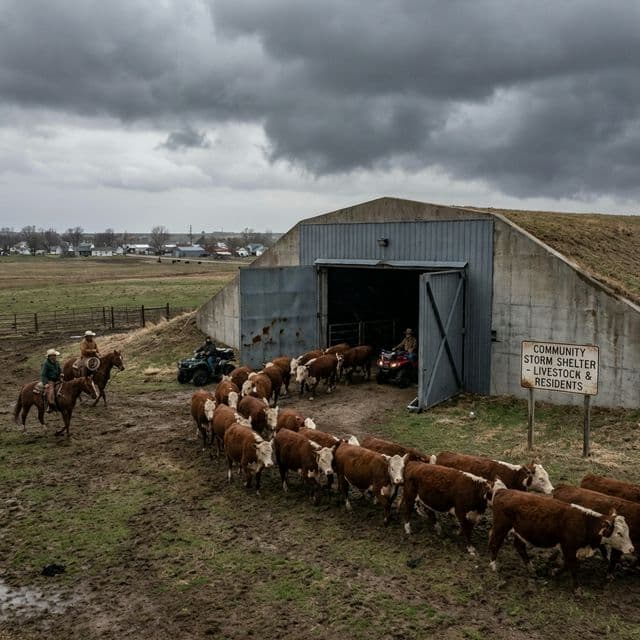
Livestock Storm Shelter

Cattle and other livestock are incredibly vulnerable to flying debris, hail, and the sheer panic induced by extreme weather events.

  • The Action: Herd all vulnerable livestock into designated, reinforced storm shelter barns at the earliest sign of severe weather indexing.
  • The Reality: These structures must have concrete foundations and steel reinforcement capable of withstanding EF3+ winds, rather than traditional wood construction.

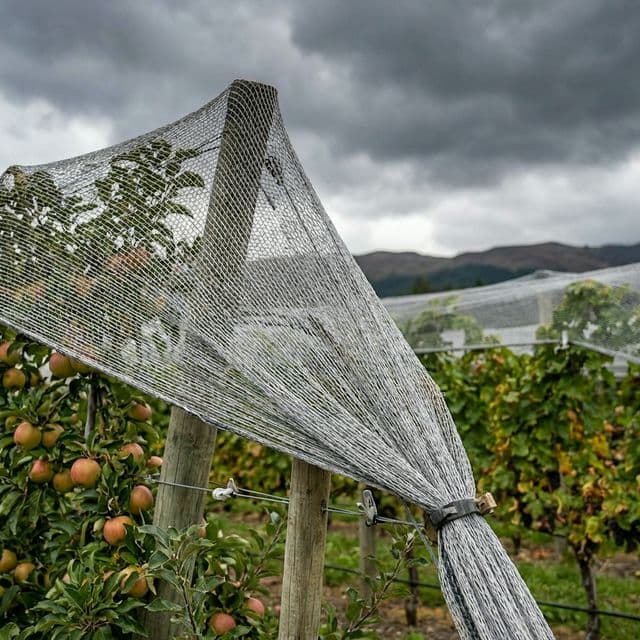
2. Deploy Industrial Crop Hail Netting

Heavy Duty Crop Netting

A five-minute hailstorm can entirely destroy a multi-million dollar high-yield fruit crop.

  • The Action: For high-value crops (like vineyards or orchards), invest heavily in automated or quickly-deployable woven hail netting systems.
  • The ROI: While the upfront capital expenditure is significant, securing the physical integrity of the crop against ice damage pays for itself during a single severe cell impact.

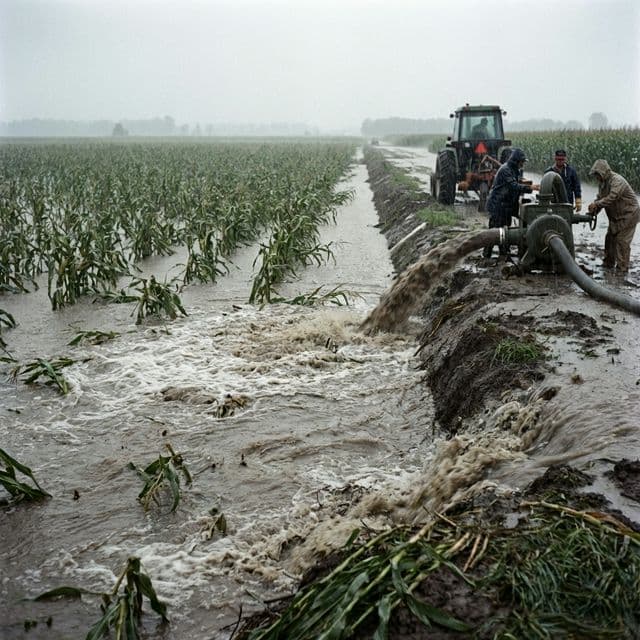
3. Dig Deep Agricultural Drainage Trenches

Agricultural Drainage Output

Standing floodwater "drowns" the root systems of most cash crops within 48 to 72 hours, completely ruining the harvest yield.

  • The Action: Utilize heavy machinery to carve deep, calculated run-off trenches and swales strategically throughout the lowest points of the acreage.
  • Pro-Tip: Connect these trenches to high-volume PTO-driven tractor water pumps to forcibly eject standing water into off-property municipal spillways.

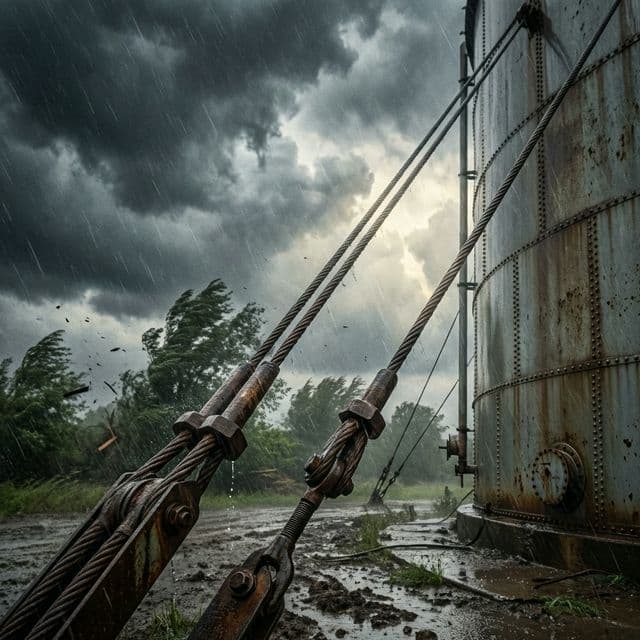
4. Fortify Grain Silos with Tension Cables

Grain Silo Tension Cables

Empty or partially empty steel grain silos are essentially massive metal sails. They are incredibly prone to buckling or tipping over entirely during straight-line winds or tornadic activity.

  • The Action: Anchor all tall, exposed structures using heavy-duty industrial steel tension cables secured to deeply buried concrete deadman anchors.
  • Maintenance: Ensure these cables are inspected annually for rust or tension lagging.

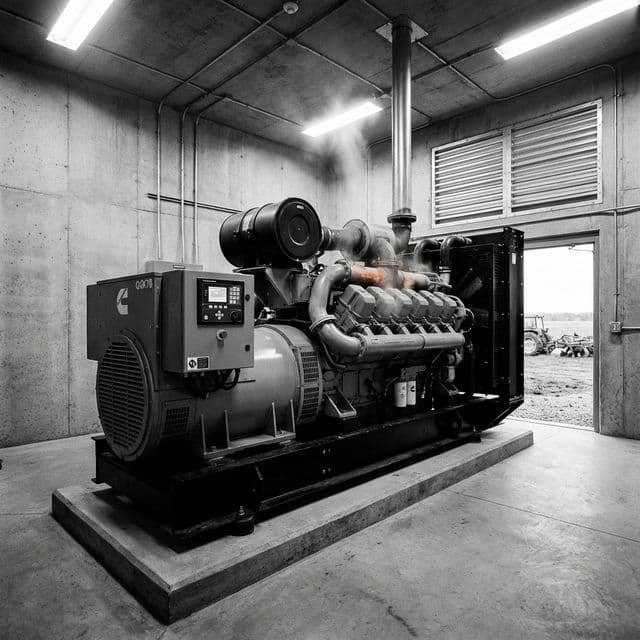
5. Maintain Powerful Diesel Backup Generators

Industrial Backup Generator

A massive storm will undoubtedly sever the municipal power grid, potentially for weeks in rural areas. Without power, automated feeding lines, milking parlors, and critical climate-control systems for poultry fail immediately.

  • The Action: Install a massive, industrial-grade diesel backup generator securely housed in a dry, elevated concrete structure.
  • The Supply: Ensure the farm has a securely buried, massive reserve tank of diesel fuel treated with stabilizers so the generator can run non-stop for at least 14 days without relying on disabled supply chains.

[!CAUTION] In agricultural zones, the severity of a storm can escalate from a mere thunderstorm watch to an EF4 tornado warning in under ten minutes. A high-decibel weather radio and instant, localized digital emergency alerts are absolutely mandatory for field workers to ensure human safety first and foremost.

Weather Translate © 2026Permalink →
Homeowner Flood Insurance Weather Data Protection

A home is usually a family's largest financial asset. When catastrophic severe weather strikes, understanding your local flood risk—and precisely documenting the event—is the key to financial recovery.

Unfortunately, many homeowners discover too late that standard homeowner's insurance explicitly excludes flood damage.


1. The Critical Difference in Water Damage

Insurance companies treat water damage very specifically based on how the water enters the structure.

  • Wind-Driven Rain: Usually covered by standard policies (e.g., a hurricane blows off your roof and rain enters).
  • Rising Water (Flooding): Expressly denied by standard policies. It requires a separate National Flood Insurance Program (NFIP) policy.
  • Sump Pump Failure: Often requires an additional specific rider on your main policy.
  • Knowing which type of threat your neighborhood faces requires hyper-local data. Relying on weather translation tools helps you decipher the exact type of severe weather warnings (Flash Flood vs. Coastal Surge) issued for your specific street.

2. Documenting the Disaster

If your home is impacted, your immediate actions dictate the success of your insurance claim. You must build an undeniable data profile of the damage.

The Verification Protocol

  • Before you begin ripping out wet drywall, follow these steps:
  1. Timestamped Evidence: Take hundreds of photos and videos before, during (if safe to do so), and immediately after the event.
  2. Save the Data: Screenshot the official National Weather Service alerts that were issued during the crisis.
  3. Localize the Proof: If you are dealing with multi-lingual adjusters or contractors, printing out the localized climate translations of the warnings can establish unquestionable liability and environmental context.

Conclusion

Don't wait until the floodwaters are at your door to review your policy. Leverage advanced weather data translation to understand your true risk profile, and purchase the necessary supplemental flood insurance before hurricane season begins.

Weather Translate © 2026Permalink →
Sponsors & Tools
Sponsored