Top 5 Flood Preparations for Homeowners
Top 5 Flood Preparations for Homeowners
Flooding is the most common and costly natural disaster worldwide. For homeowners, a proactive approach to flood mitigation is the difference between a minor inconvenience and total financial ruination.
To help you protect your most valuable asset, we've compiled the five most critical, actionable steps every homeowner in flood-prone zones must take before the storm clouds gather.
1. Build a Reinforced Sandbag Barrier
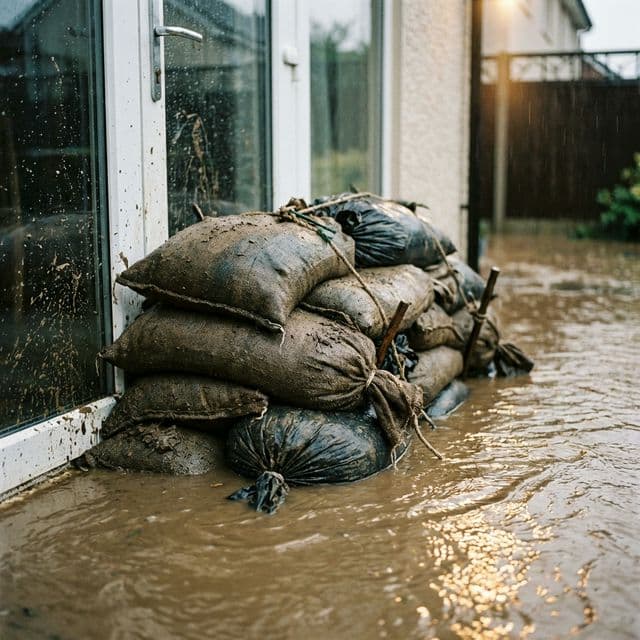
Sandbags are the traditional, proven first line of defense against rising waters, but only if they are stacked correctly.
- The Action: Create a staggered pyramid shape against all ground-level entrances, packing the bags tightly to eliminate gaps.
- Pro-Tip: Wrap the outside of the sandbag wall with heavy-duty plastic sheeting or tarps to create a truly waterproof seal against the home's foundation.
2. Install a Primary and Backup Sump Pump
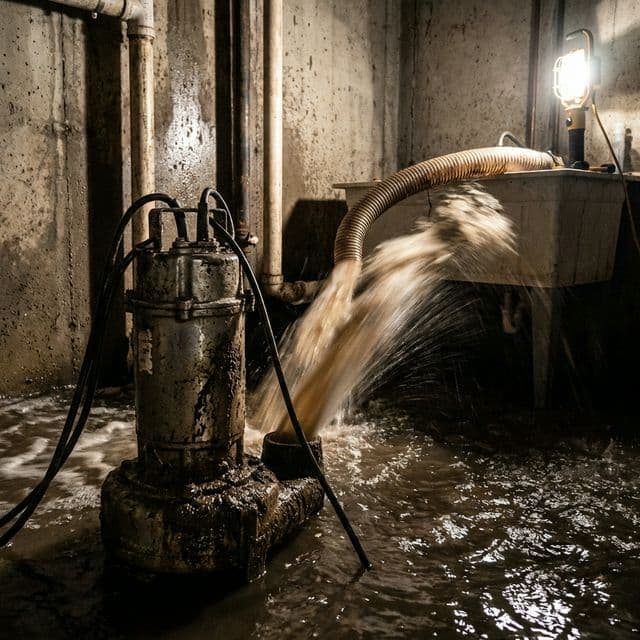
If water breaches your basement walls, an industrial-grade sump pump is your only hope of preventing catastrophic structural damage.
- The Action: Install a heavy-duty electric sump pump in the lowest point of your basement or crawlspace.
- Critical Fallback: Severe storms often knock out the power grid. You must have a battery-powered or water-powered backup pump installed alongside the primary unit to ensure continuous displacement.

Superior Pump 91250 1/4 HP Submersible Utility Pump
The highest-rated emergency submersible pump on the market. Capable of moving an incredible 1,800 gallons of floodwater per hour.
3. Elevate Critical Utilities
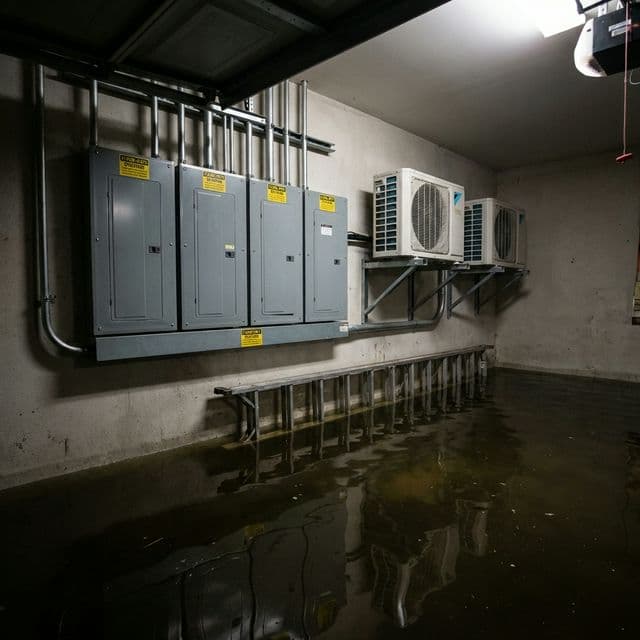
Floodwaters carry mud, debris, and raw sewage that will instantly destroy delicate electrical components.
- The Action: Hire a licensed contractor to permanently raise your main electrical breaker panel, HVAC units, water heaters, and generators at least 12 inches above the projected 100-year flood line for your specific elevation.
- Safety First: If floodwaters threaten to reach your utility room, shut off the main power breaker immediately to prevent electrocution fires.
4. Optimize Exterior Drainage Systems
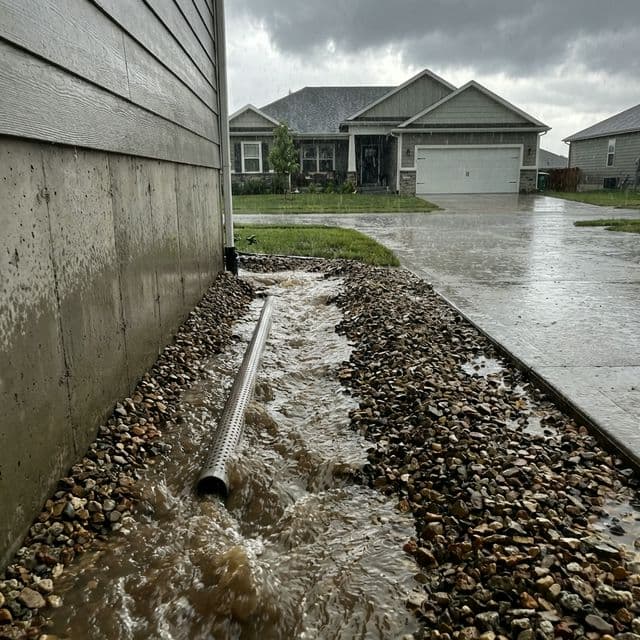
The best way to survive a flood is to ensure the water never touches your home in the first place.
- The Action: Grade your landscaping so that the ground slopes firmly away from your foundation. Install exterior French drains and ensure your gutter downspouts discharge runoff at least six feet away from your exterior walls.
- Maintenance: Routinely clear all gutters and street-level storm drains of leaf litter before the stormy season begins.
5. Assembly a Waterproof Emergency Survival Kit
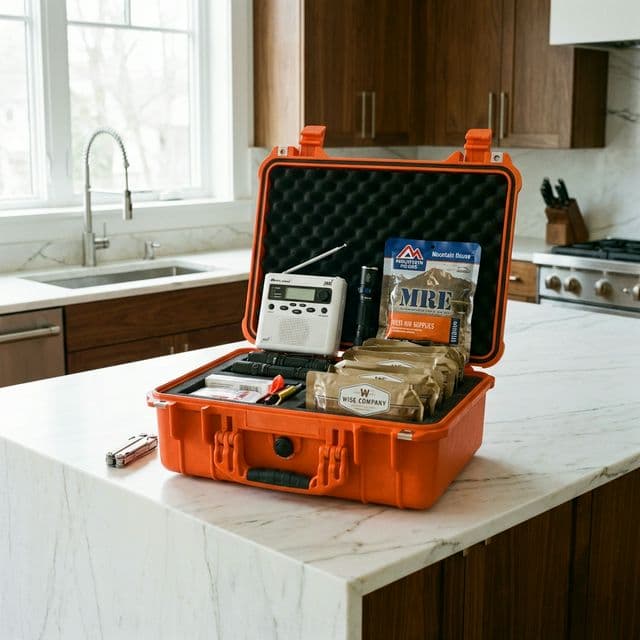
If the floodwaters trap you inside your home or force you onto the roof, you need supplies to survive until rescue teams arrive.
- The Action: Purchase a buoyant, waterproof hard case and fill it with essentials.
- The Contents: Include a battery-operated NOAA weather radio, tactical flashlights, a minimum 3-day supply of MREs (Meals Ready-to-Eat), bottled water, and copies of all vital insurance documents sealed in a Ziplock bag.
[!IMPORTANT] Always heed local evacuation orders immediately. No property mitigation strategy is worth risking your life. Ensure your phone has extreme weather alerts enabled and consider utilizing a localized weather translation tool if you reside in a multi-lingual community.