Top 5 Most Dangerous Cities for Tornadoes in the US
Top 5 Most Dangerous Cities for Tornadoes in the US
Tornadoes are among the most destructive localized weather events on the planet. For travelers and potential residents, understanding the geographical risks associated with these violent supercell storms is critical. While early warning systems exist, the sheer speed and unpredictability of these funnels require extreme caution.
Here is our rundown of the top five most dangerous cities for tornadic activity and severe weather system interception.
1. Moore, Oklahoma
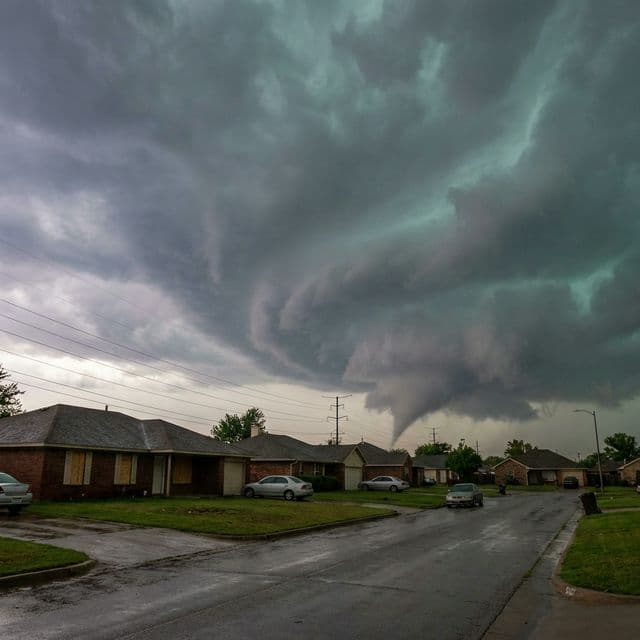
Located in the dead center of the traditional "Tornado Alley," Moore, Oklahoma, holds a tragic historical record for violent EF5 tornadoes. Its geographical positioning south of Oklahoma City makes it a frequent target for massive supercell storms brewing across the open plains where vast temperature differentials collide violently.
- Risk Factor: Extreme
- Notable Event: 1999 and 2013 EF5 Tornadoes
- Key Advice: Ensure immediate access to underground storm cellars or reinforced safe rooms. Always heed NOAA radio warnings without delay.
2. Joplin, Missouri
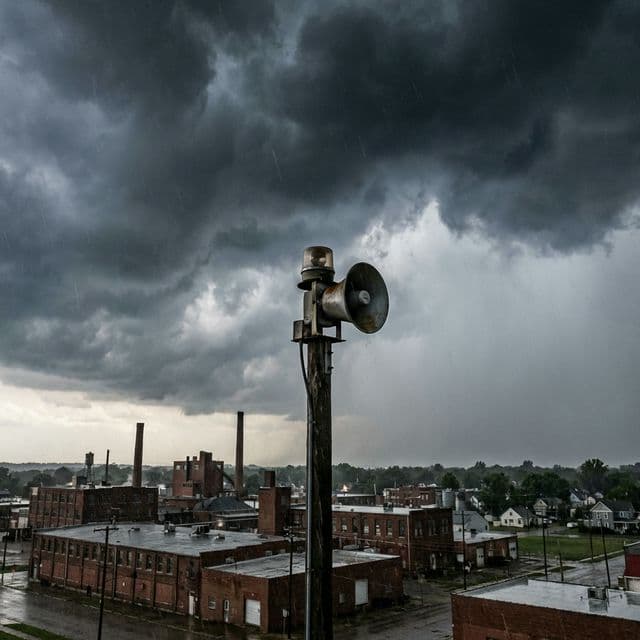
The 2011 Joplin tornado was a horrific reminder that devastating storms don't just happen in open fields—they can obliterate densely populated urban centers. A relatively narrow corridor combined with high-density housing makes Joplin statistically dangerous when atmospheric instability peaks during the late spring.
- Risk Factor: Critical
- Notable Event: 2011 EF5 Tornado
- Key Advice: Have a designated emergency meeting point that has reinforced, windowless walls if you do not have a dedicated basement.
3. Tuscaloosa, Alabama
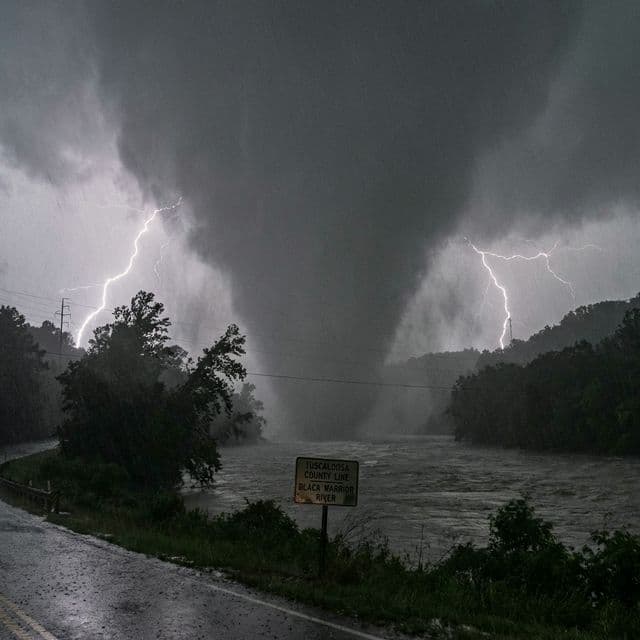
The southeastern United States has seen a sharp increase in violent tornado outbreaks, colloquially known as "Dixie Alley." Tuscaloosa experienced a massive, long-track EF4 tornado during the 2011 Super Outbreak. The danger here is compounded by the fact that many southern tornadoes are obscured by heavy rain wrapping or hilly terrain, making visual identification nearly impossible.
- Risk Factor: High (Terrain Obscured)
- Notable Event: 2011 Super Outbreak EF4
- Key Advice: Rely entirely on radar telemetry and digital alerts (like Weather Translate), rather than trying to visually spot the funnel.
4. Dallas, Texas
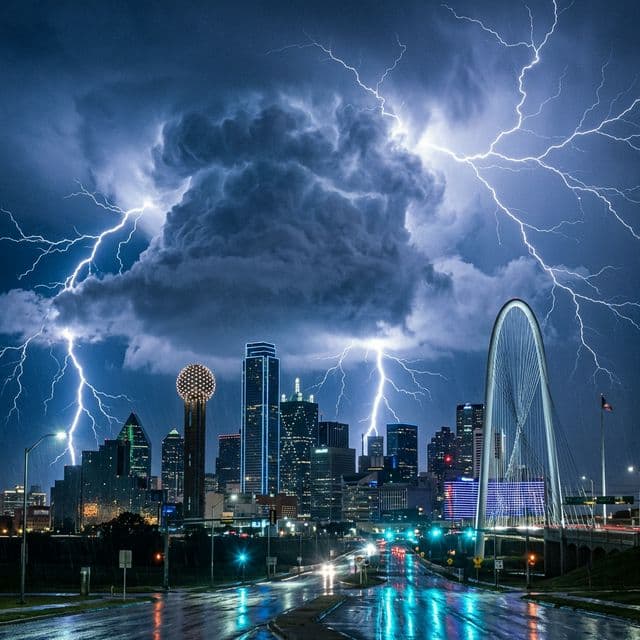
The sheer sprawl of the Dallas-Fort Worth metroplex presents a mathematically massive "target" for supercells rolling through northern Texas. While skyscrapers themselves don't attract tornadoes, the density of the population means any touchdown is likely to cause significant economic and structural damage.
- Risk Factor: High (Population Density)
- Notable Event: 2019 Dallas Tornado
- Key Advice: High-rise occupants should move to interior halls away from exterior glass as wind tunneling can cause severe fragmentation.
5. Wichita, Kansas
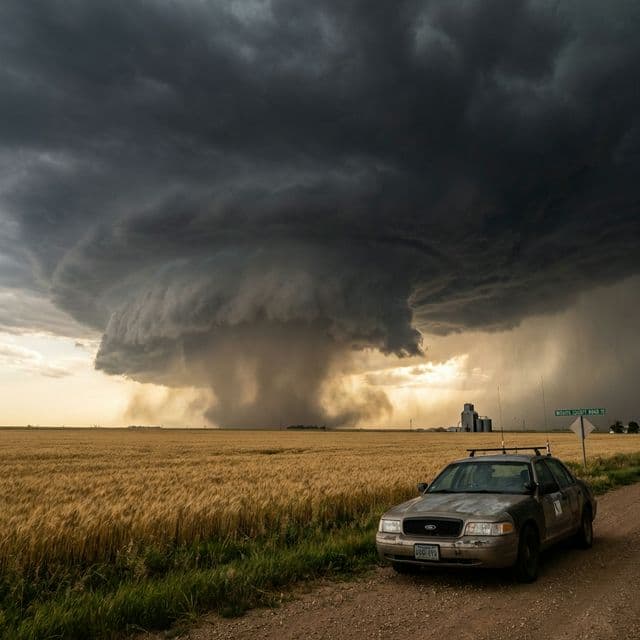
Wichita sits squarely in the classic central plains strike zone. The city frequently deals with nighttime tornadoes and severe squall lines. Because the land is exceptionally flat, supercells here can gain incredible momentum and sustain their funnels over massive tracts of land, maintaining deadly speeds without disruption.
- Risk Factor: High (Sustained Track Potential)
- Notable Event: Frequent high-intensity cyclic supercells
- Key Advice: Nighttime tornadoes are incredibly dangerous since people are sleeping. A loud weather radio with battery backup is essential.
[!CAUTION] If you are traveling through these regions during the spring or early summer, download local alert apps and ensure emergency notifications are enabled and capable of translating local advisories into your native language instantly.